

Semiconductor Credit-Based Program
Program Background:
(AI), 5G, or the Internet of Things, and even mobile phones, TVs, PCs and various home appliances that we use every day, all rely on semiconductor components. Because of semiconductors, Taiwan has been able to play a pivotal role in the global technology supply chain, and Taiwan's economic and industrial development is inextricably linked to the rise and fall of the semiconductor industry. The rapid development and technological innovation of the semiconductor industry have also created new opportunities and demands for talent. Given the importance of this technology and industry, it is critical for universities today to ensure that undergraduate students have a basic understanding of the semiconductor sector. The Department of Mathematics, Department of Physics, and Department of Chemistry in the School of Science currently already offer many foundational courses on the theoretical knowledge related to the technology of the semiconductor industry. In light of this, the School of Science will integrate the courses of each department and plan the setup of an interdisciplinary “Empowering Semiconductor Credit-Based Program” to cultivate professional industry talents with semiconductor-related knowledge and skills, in order to respond to the continued growth of the global semiconductor market, the demand for professional talents, and to expand students' career development paths.
Establishing Objectives and Goals:
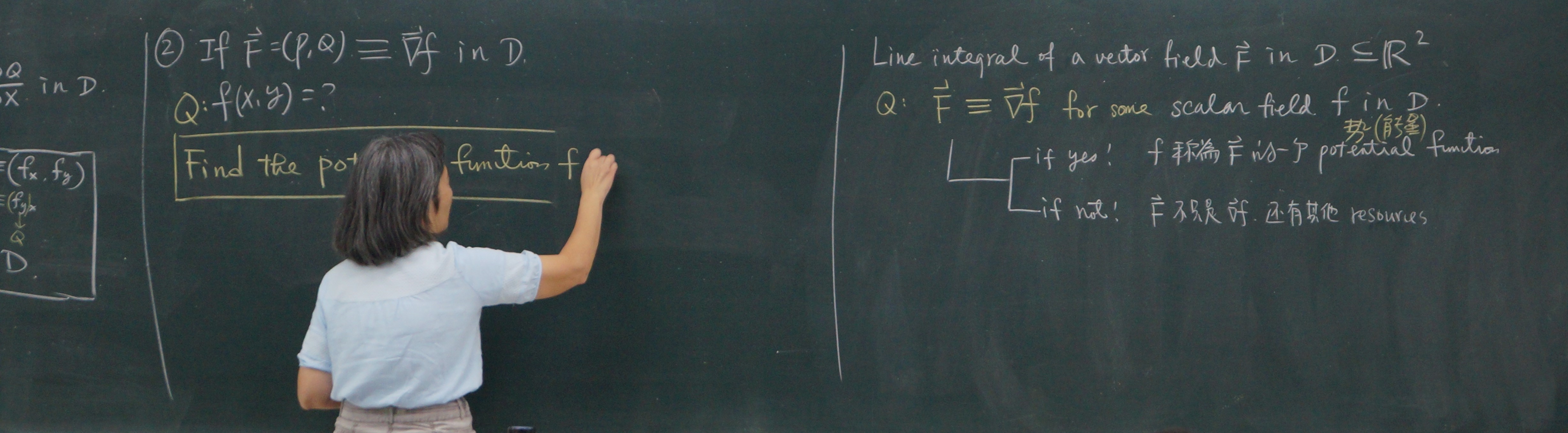
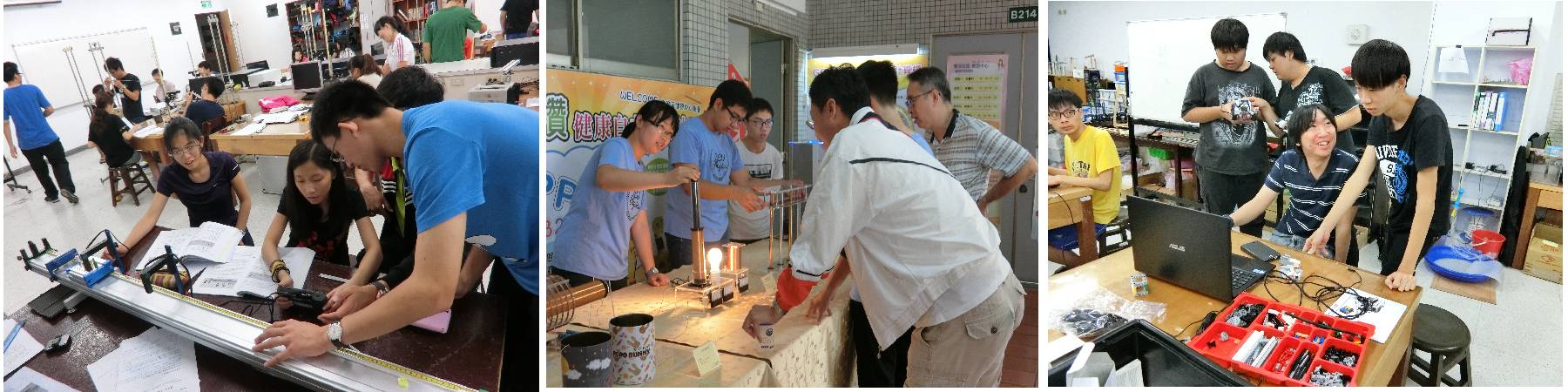
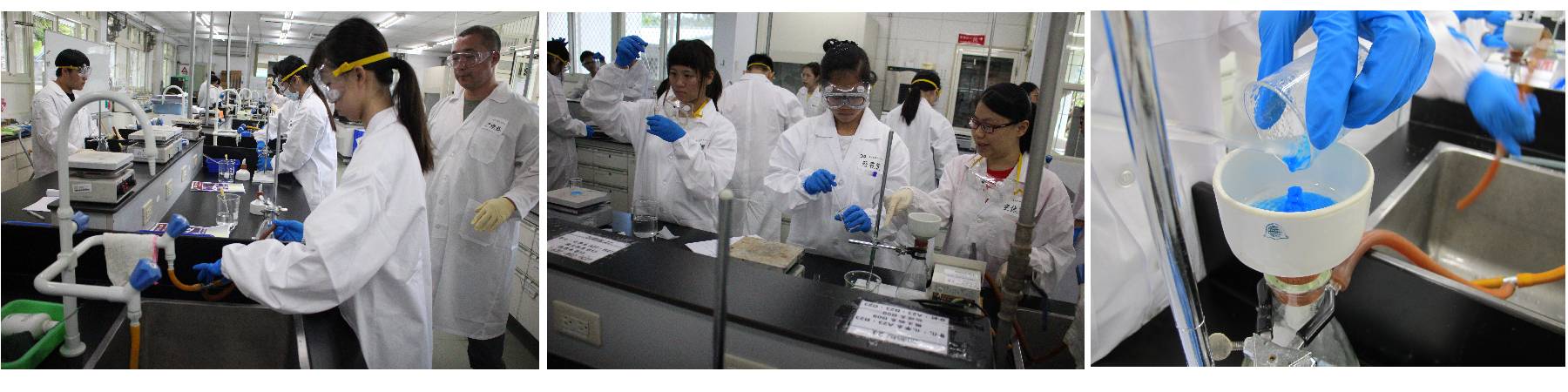
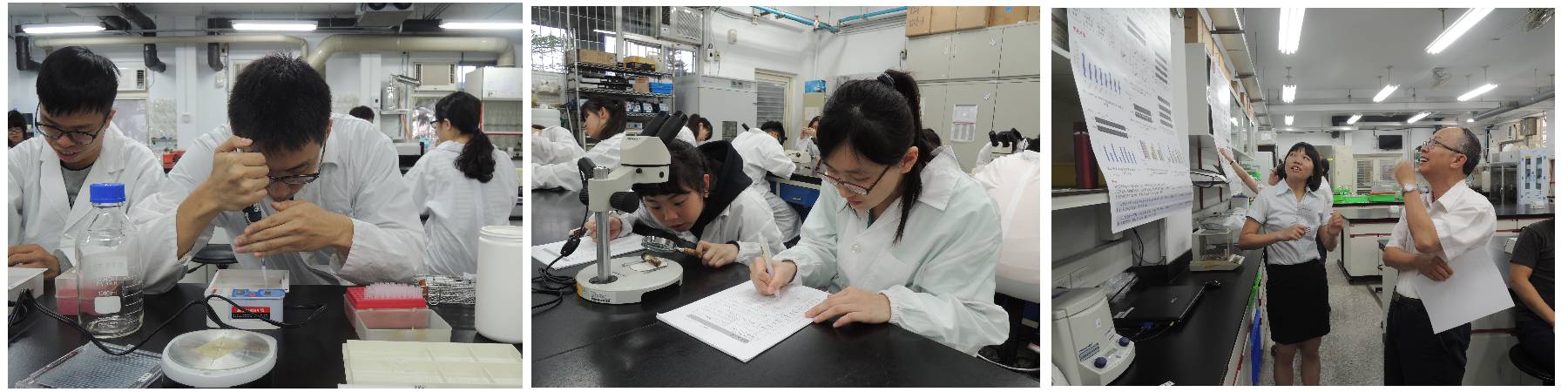
In response to the national demand for talent in the semiconductor, ICT, and biotechnology industries, the School of Science has planned and set up a distinctive semiconductor credit-based program. The main focus and goal of the program is to combine the professional courses of the Department of Physics, Department of Chemistry, and Department of Mathematics under the School of Science to plan a distinctive interdisciplinary and interdepartmental credit-based program. The courses include semiconductor device modules and semiconductor process modules. There are also practical courses conducted at the Taiwan Semiconductor Research Institute (TSRI) of the National Institute of Applied Research, to train students to have semiconductor practical operation skills. Beyond the curriculum, the program includes visits to upstream, midstream, and downstream semiconductor industries, industry internships, and lectures by alumni on the current state of the industry and their career experiences. These pre-employment activities aim to enhance students' understanding of the semiconductor industry, strengthen their competitiveness and opportunities in the future job market, and attract high school students to study in the various departments of the School of Science at Soochow University by building a distinctive interdisciplinary semiconductor credit-based program. The conceptual diagram of the overall plan is attached.
Credit-Based Program Competency Indicators:
Based on observations of the development trends of interdisciplinary education goals both domestically and internationally, as well as the continuous discussions and formulation of core competencies by relevant experts and scholars, this credit-based program focuses on enhancing students' eight common competencies. The basic competency indicators are as follows:
a. Abilities to think logically and to resolve problems.
b. The ability to investigate, collect and analyze data.
c. Communication and self-expression abilities.
d. Applied information technology ability.
e. Interdisciplinary innovation abilities.
f. Abilities of coordination and cooperation in teamwork.
g. Creativeness.
h. The ability to observe social trends.
Course Planning and Implementation Timeline:
An analysis of the employment sectors of the School of Science graduates reveals that, based on the 19 major industry categories defined by the Directorate-General of Budget, Accounting and Statistics, the top five employment sectors are manufacturing (28.56%), healthcare (10.89%), education and training (10.61%), science, technology, engineering, and mathematics (10.49%), and marketing and sales (10.49%). These five sectors account for 75% of the graduates' employment rate, with manufacturing, which has the highest proportion, encompassing the production of semiconductors and other electronic components. An analysis of graduates’ employment occupations reveals that, based on UCAN's 16 major categories of occupational preferences, the top five occupations are manufacturing (18.24%), education (15.10%), professional, scientific and technical services (12.01%), healthcare and social work services (11.34%), and publishing, audio-visual production, communication and information and communication services (8.92%). These five occupations account for 71% of graduates' employment. Among them, manufacturing, which has the highest proportion, covers occupations such as production management and process research and development. Therefore, early exposure to semiconductor industry-related courses during university studies can greatly benefit students' future academic pursuits and employment, while also enhancing their competitiveness in the job market. This is the key reason and justification for the School to establish the cross-disciplinary Empowering Semiconductor Credit-Based Program. In addition, students from other departments of the School of Science or other schools can also learn about the multifaceted impact of the semiconductor sector on technology, economy, politics and more through this program, which provides a diverse and cross-disciplinary learning experience for future employment and enhances their competitiveness in the workplace.

